
Repairs & Patching
Hot Asphalt Repair in Ottawa
Hot Asphalt Repair overview
Why hot mix, and why full depth
A pothole shovelled full of cold patch and driven over is a repair that lasts until the next freeze. Cold patch is a temporary material — useful in February when nothing else is available, useless as a permanent fix.
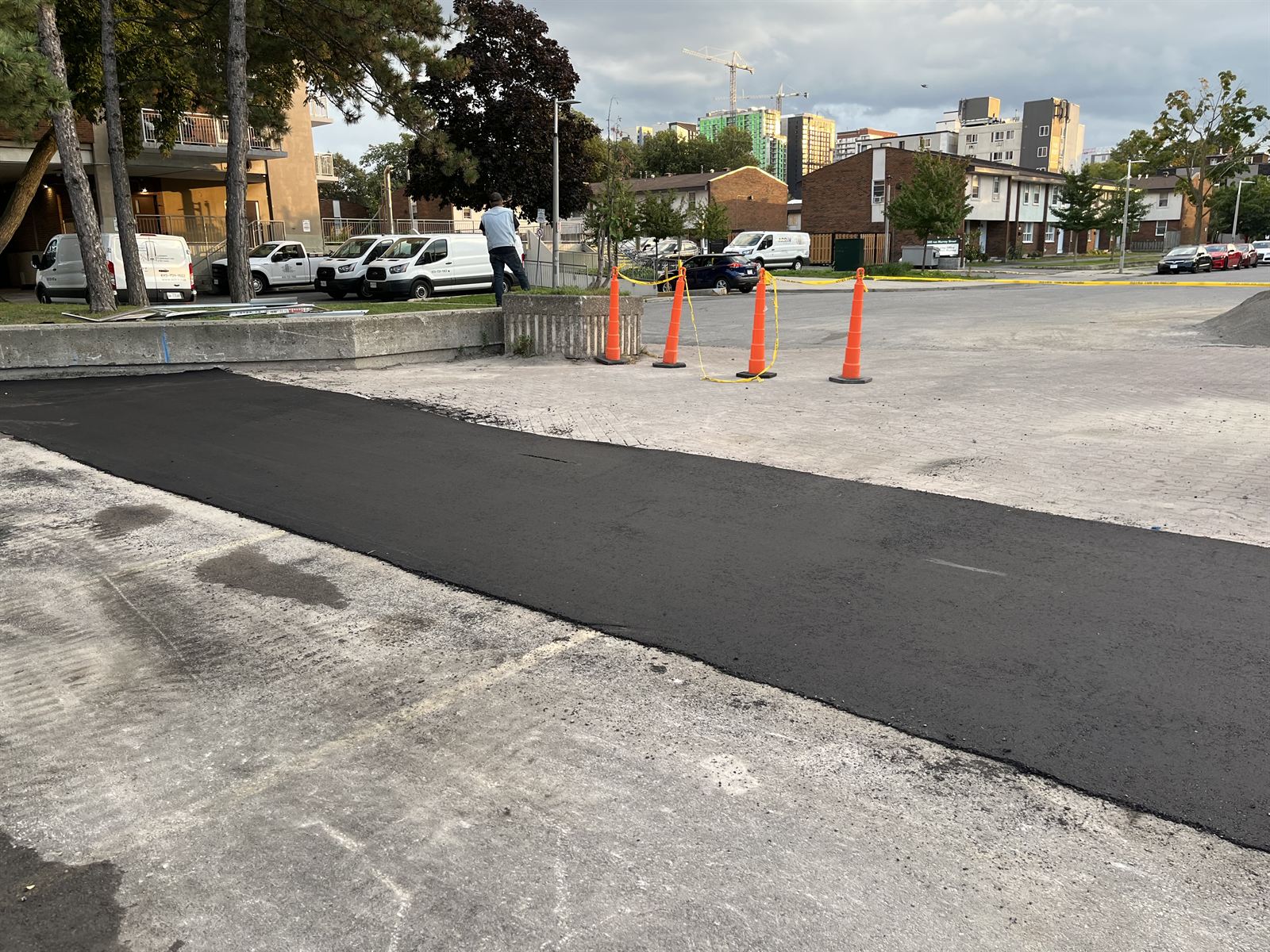
A proper repair is done in hot mix, and it goes full depth. That means saw-cutting or squaring the failed area back to sound asphalt, removing the broken material and any failed base beneath it, correcting and compacting the base, then filling with hot mix and compacting it flush with the surrounding surface.
The extra work is in the removal. A patch that only fills the visible hole leaves the failed base underneath doing exactly what caused the pothole in the first place.
Cracks are the cheapest thing you will ever fix
Every crack is a way in for water. Water gets under the pavement, freezes, expands, and pushes the crack wider — which lets in more water. That cycle is why a hairline crack becomes a network of alligator cracking over a few Ottawa winters, and why a small crack repair now avoids a section replacement later.
Sealing cracks while they are still narrow, and dealing with edge break-down before it eats into the field of the pavement, is the single highest-value maintenance you can do on an asphalt surface.
When repair is not the answer
Sometimes the honest advice is that patching is throwing money at a surface that has run out of life. Widespread alligator cracking across the whole area, potholes returning in the same places every spring, and standing water after every rain are all signs of base failure — and base failure is not fixed from the top.
When we see that, we will tell you, and we will price the repair and the resurfacing or rebuild so you can decide with the numbers in front of you rather than finding out next year.
What's included
- Assessment of whether the failure is surface-level or a base problem
- Saw-cutting or squaring the failed area back to sound asphalt
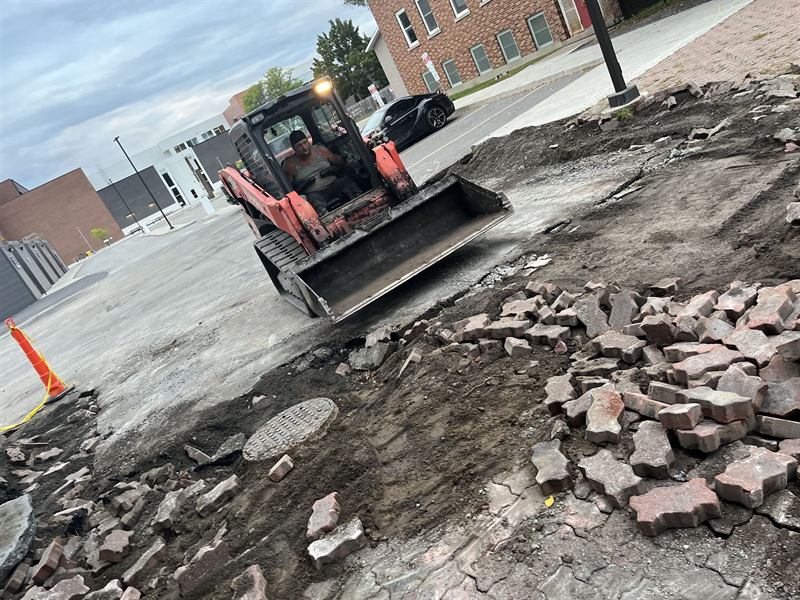
- Full-depth removal of broken asphalt and failed base material
- Base correction and compaction before any new material goes in
- Hot-mix asphalt placed and compacted flush with the surrounding surface
- Crack repair and edge rebuilding where the pavement is breaking down
- Cleanup and haul-away of all removed material
Start to Finish
What the Process Looks Like
No surprises. Here is exactly how a hot asphalt repair project runs from the first phone call to the final walkthrough.
Inspection
We look at the failure pattern, not just the hole — whether it is isolated damage, a drainage problem, or the start of a broader base failure.
Scope and price
You get a written price with the repair areas identified, plus an honest read on whether repair or resurfacing is the better spend.
Cut and remove
The failed area is cut back to sound pavement and the broken material is removed full depth rather than filled over.
Base correction
Any failed or saturated base under the defect is removed, replaced and compacted so the repair sits on something solid.
Hot mix and compaction
Hot-mix asphalt is placed in the prepared area and compacted flush with the surrounding surface so there is no lip to catch a plow blade.
Cleanup
Debris and removed material are hauled away, and the repair area is left clean and ready to use.
Recent Work
Hot Asphalt Repair in Ottawa
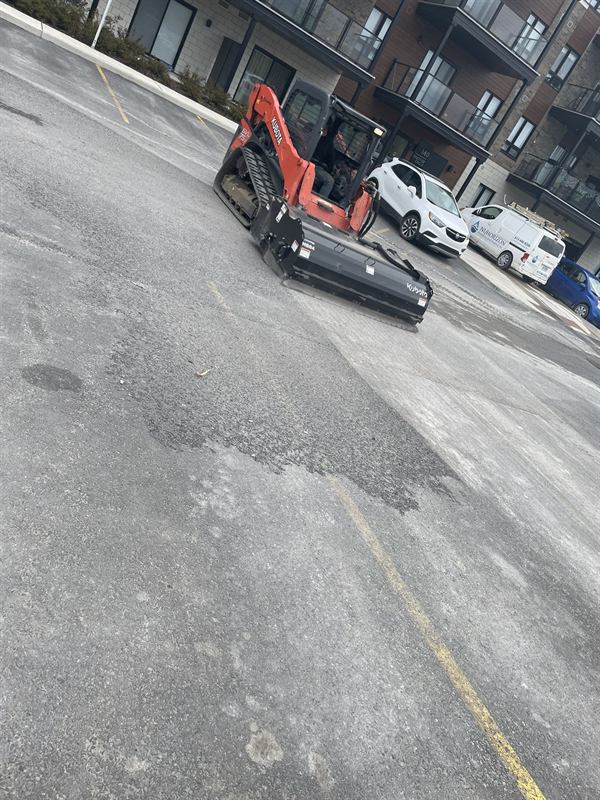
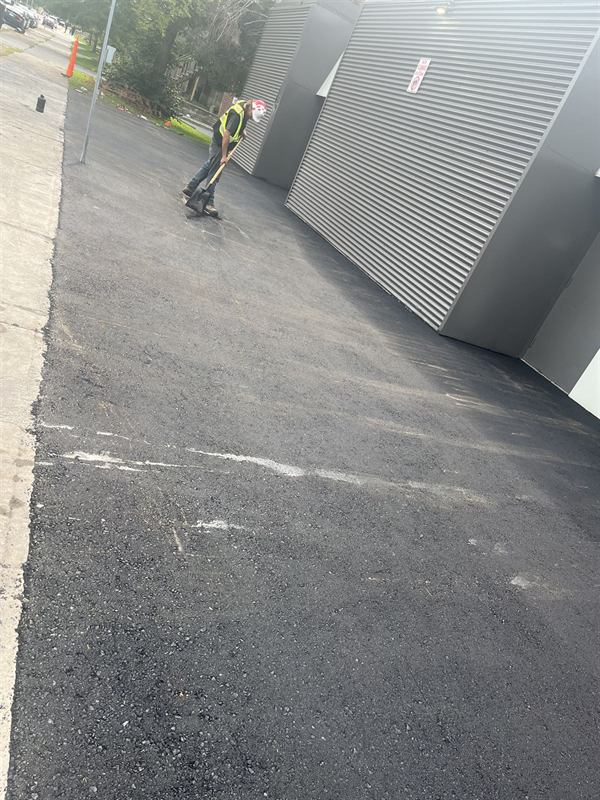
Real Proseal Plus jobs, photographed on site. See more in the full project gallery.
Where We Work
Hot Asphalt Repair Across Ottawa
Our crews cover the entire city of Ottawa, ON and the surrounding area.
- Kanata
- Barrhaven
- Orleans
- Nepean
- Gloucester
- Stittsville
- Riverside South
- Manotick
- Greely
- Downtown Ottawa
Not sure if we reach your area? Get in touch — we are happy to check.
Common Questions
Hot Asphalt Repair FAQs
How quickly can you repair a pothole?
Most small repairs are a single visit. Once we have seen the site and you have approved the price, the work itself is usually a few hours. Larger patching programs on commercial lots are scheduled around your operations.
Is a patch a permanent fix?
A properly done full-depth hot-mix patch on an otherwise sound pavement is a long-term repair. A patch over a failed base is not — it will fail again on roughly the same schedule. The difference is what happens below the surface, which is why we remove and rebuild rather than fill.
Can you repair cracks without repaving?
Yes, and it is worth doing early. Narrow cracks can be cleaned and sealed to keep water out. Once cracking spreads into an interconnected alligator pattern, sealing no longer helps because the pavement in that area has already lost its structure.
Why do potholes appear every spring?
Because of freeze-thaw. Water gets into a crack or into the base, freezes and expands, breaks the pavement apart from below, then thaws and washes the loosened material out. Ottawa runs through that cycle repeatedly every year, which is why spring is pothole season.
Should I repair now or wait until spring?
If you can repair before winter, do. An open pothole or crack going into the season is an invitation for water, and one winter can turn a cheap repair into an expensive one. Hot-mix repair is limited by asphalt plant availability, so late-fall work should be booked rather than assumed.
My whole lot is cracked. Is repairing it worth it?
Probably not, and we will say so. Widespread alligator cracking means the base is failing across the area, and patching it piece by piece costs more over a few years than resurfacing or rebuilding once. We will price both so you can compare.
Also From Proseal Plus
Related Services
Driveway Sealing
Sealing is the cheapest thing you can do to extend the life of asphalt.
Learn moreParking Lot Paving
Your lot takes delivery trucks, snow equipment, and every customer who visits.
Learn moreExcavation & Grading
Everything that goes wrong with asphalt goes wrong underneath it.
Learn moreReady When You Are
Get a Free Hot Asphalt Repair Estimate
Tell us about your project and we'll book a free, no-obligation on-site visit anywhere in Ottawa.